Design Management
This service bridges the gap between artistic vision and technical execution. While the goldsmith is the master of physical fabrication, metallurgy, and benchwork, our design management brings the conceptual direction, trend analysis, and CAD (Computer-Aided Design) blueprints to them, based on our client's wishes.
How We do It
Our strategy includes a Commercial & Aesthetic Alignment that balances global fashion trends with technical manufacturing limitations to make sure high-end gold designs are commercially viable and cost-optimized.
We have a Production & Material Integrity Management that monitors metallurgy standards (such as calculating gold karats and alloy ratios like copper or silver) to maintain material strength and legal hallmarking requirements.
There is an End-to-End Factory Oversight for managing multiple casting, polishing, electro-plating, stone-setting, and engraving departments to hit strict delivery timelines. And a Financial Margin & Cost Auditing for reviewing material waste, processing costs, and precious gem inventories to determine precise manufacturing margins and wholesale/retail pricing.
Managing this dynamic successfully requires balancing creative authority with a deep respect for artisanal technical skills.
The Breakdown:
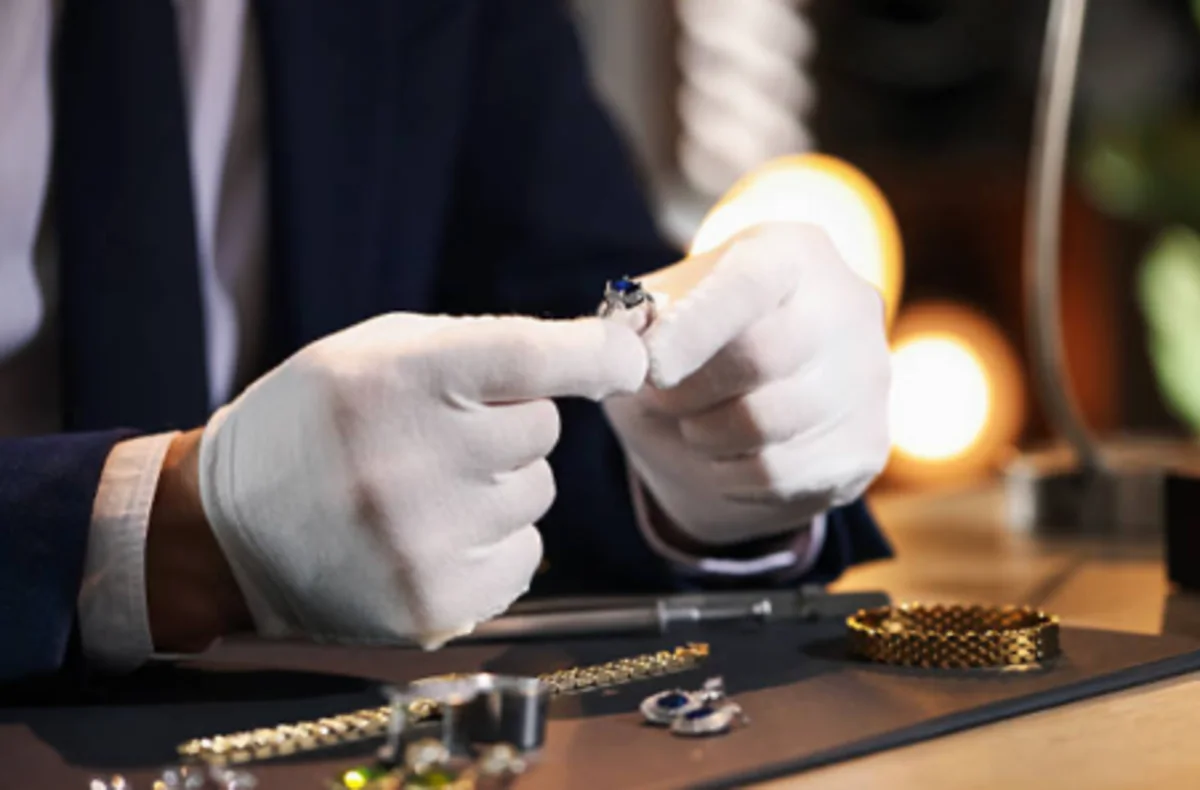


Establishing clear technical handoffs
The most frequent friction point between design and production is a blueprint that looks beautiful on screen but violates the laws of physics or material integrity.
- Providing comprehensive production packages: We never hand over a loose sketch. We deliver detailed CAD files (from platforms like Rhino and Matrix), multi-angle technical drawings, precise millimeter specifications, and gemstone maps.
- Running pre-production check-ins:We host a meeting with the goldsmith to review the design before they melt down any gold or carves a wax mold. This is when we can ask technical questions.
Defining metal and material accountability
Because a goldsmith works intimately with incredibly high-value raw assets, clearing inventory and scrap-management protocols keeps the working relationship transparent and stress-free.
- Setting precise weight parameters: When issuing fine metals like 18k gold or platinum, we establish the target weight range for the finished piece.
- Implementing a standardized sweeps policy: We account for "loss" during the filing, drilling, and polishing phases. We also provide dedicated scrap catchers at the bench and define acceptable thresholds for metal loss to ensure accountability without making the artisan feel untrusted.
Fostering a collaborative 'Problem-to-Bench' workflow
Goldsmiths possess deep, tactile knowledge of physical mechanics and metallurgy. Our design management leverages this expertise rather than overriding it.
- Treating technical challenges as partnerships: If a flush-setting or delicate filigree isn’t working as intended, we don't just demand a fix, we go to the bench and ask the goldsmith for alternatives. We may suggest a different soldering sequence or alloy composition that preserves the aesthetic while ensuring structural soundness.
- Encouraging tool and technique innovation: We support the bench jeweler when they want to invest in new manufacturing tech—like specialized hand-push gravers from GRS Tools or advanced thermo-plastics for securing metal.
Implementing structured Quality Control (QC) milestones
We do not wait until a piece is fully buffed, polished, and set to review the goldsmith's work. Catching errors early saves significant material and labor costs.
- Stage 1 (The Raw Casting/Fabrication Check): We inspect the raw metal work right after assembly or soldering but before any stone setting takes place. We look for porosity in the metal or weak solder seams.
- Stage 2 (The Setting Check): We ensure the seats, prongs, and bezels perfectly secure the gemstones before the final heavy polish.
- Stage 3 (Final QC): We evaluate the piece against our initial design using the Kimberlie Kohler Principles of Jewelry Design—ensuring the physical weight, balance, and harmony match the client's brief.
Balancing time management with artisan realities
Fine jewelry fabrication cannot be rushed without a massive drop-off in precision and safety.
- Distinguishing between standard and complex labor cycles: Traditional hand fabrication, intricate grain setting, and detailed cleanup are incredibly time-consuming. For this reason, we account for this when setting delivery dates for sales teams or private clients.
- Protecting focus hours: We establish a clear schedule where the goldsmith has dedicated blocks of uninterrupted bench time to focus on high-precision tasks like stone setting, free from retail or administrative distractions.