Necklaces
Gold necklaces made or purchased in the Dubai gold markets (such as the historic Deira Gold Souk and the modern Gold & Diamond Park) stand out globally for their unmatched structural variety, cultural scale, and raw commodity-based value.
Crown Jewels
Necklaces crafted in the Dubai Gold Markets are the crown jewels of the city's jewelry trade, representing a breathtaking fusion of architectural grandiosity, centuries-old artistry, and immense financial store-of-value.
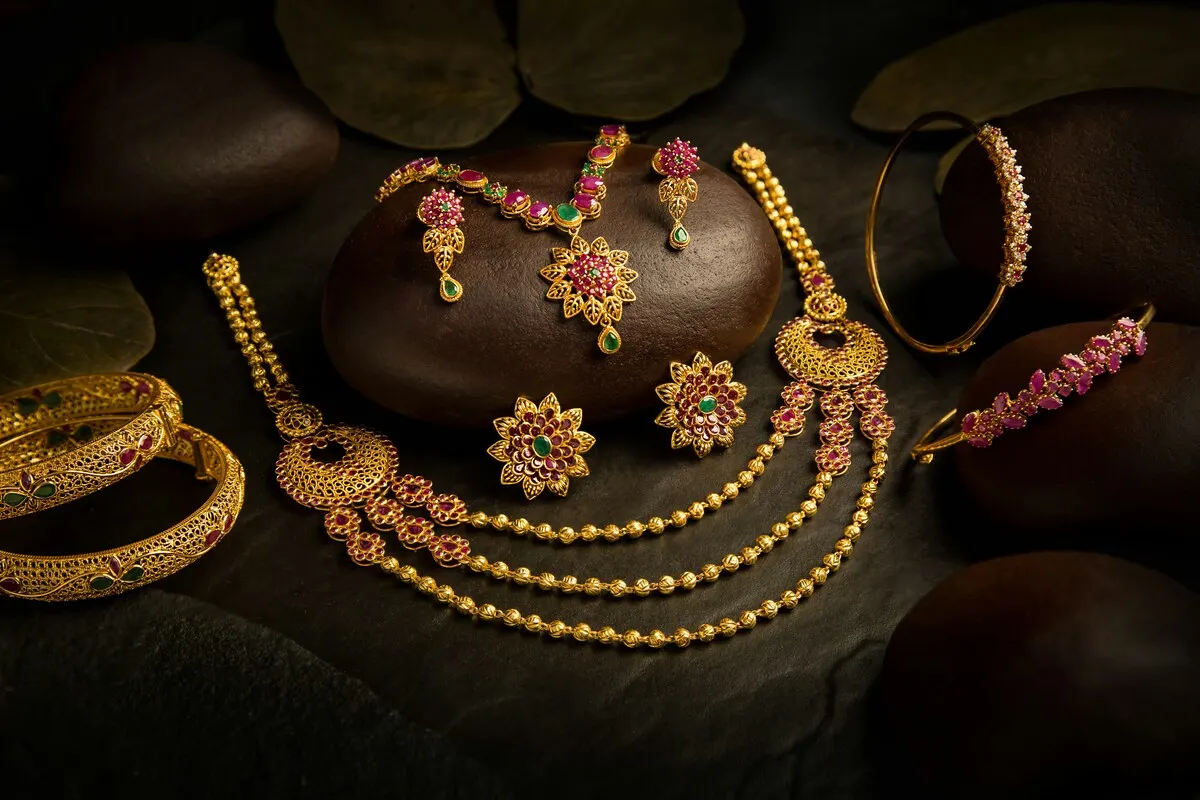
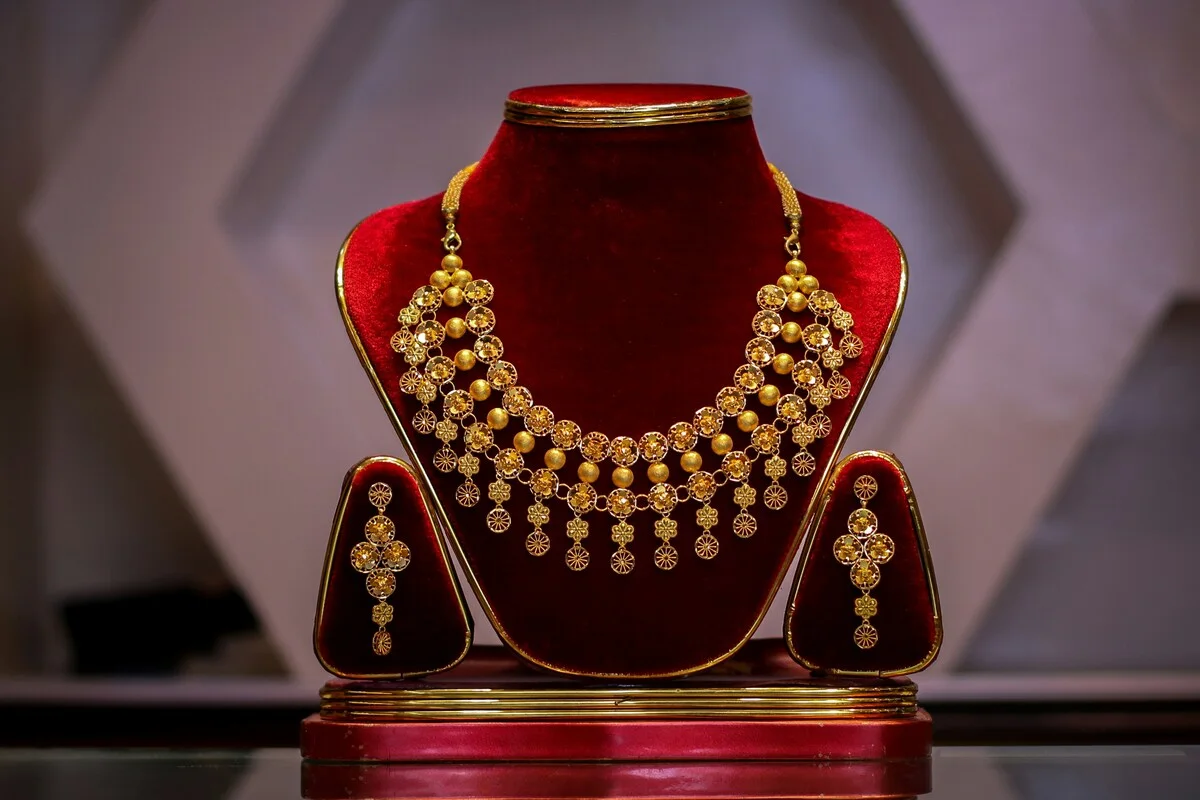
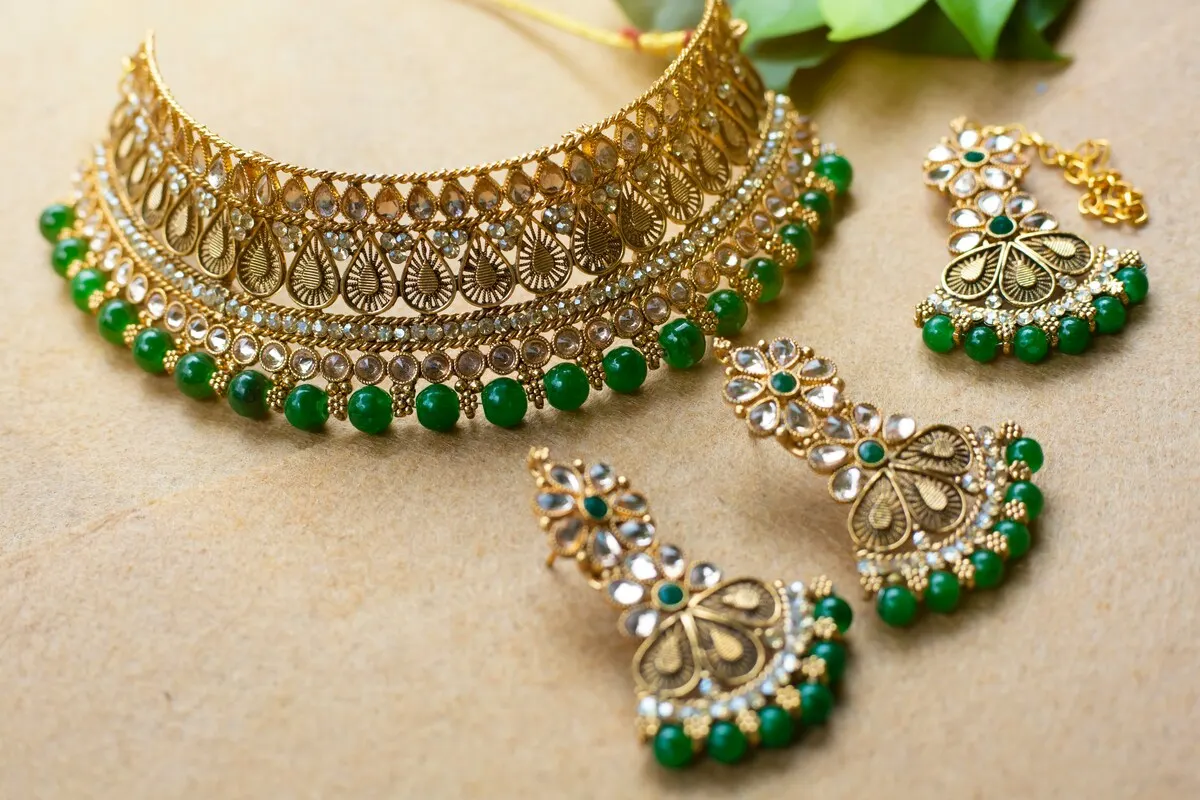
Dubai Crafted Necklaces
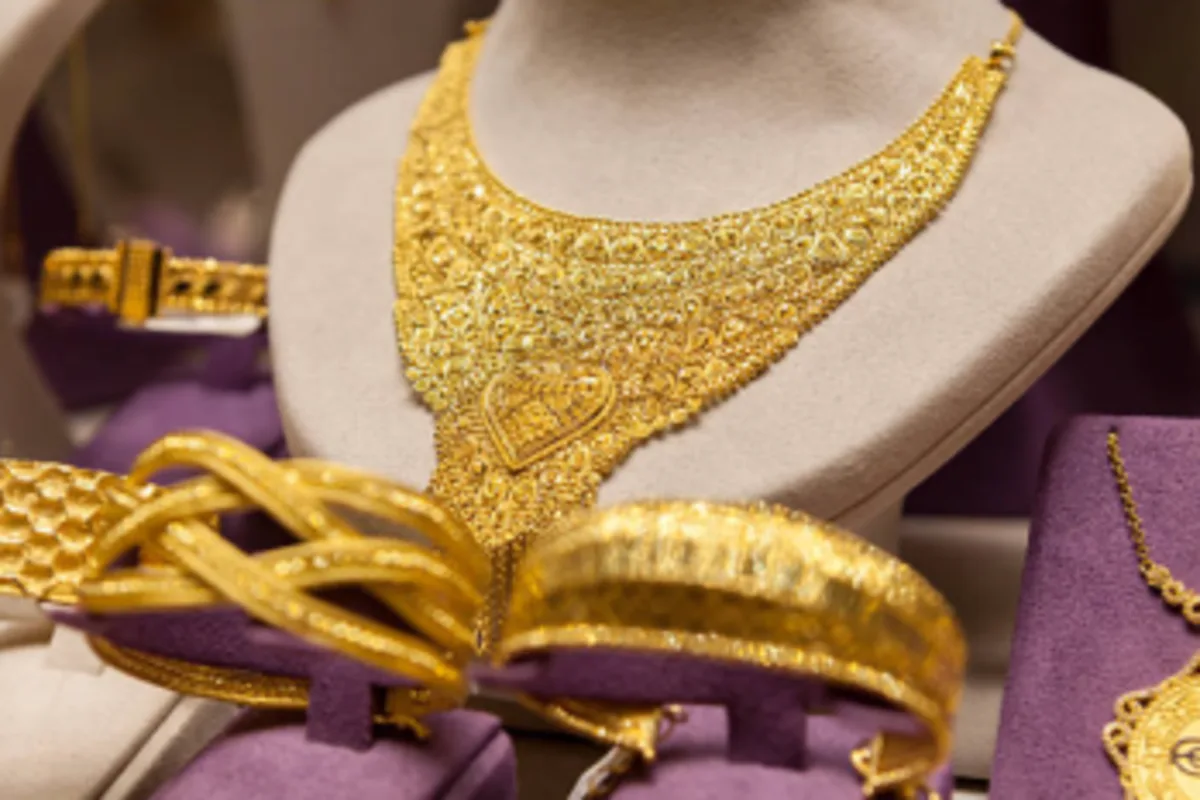
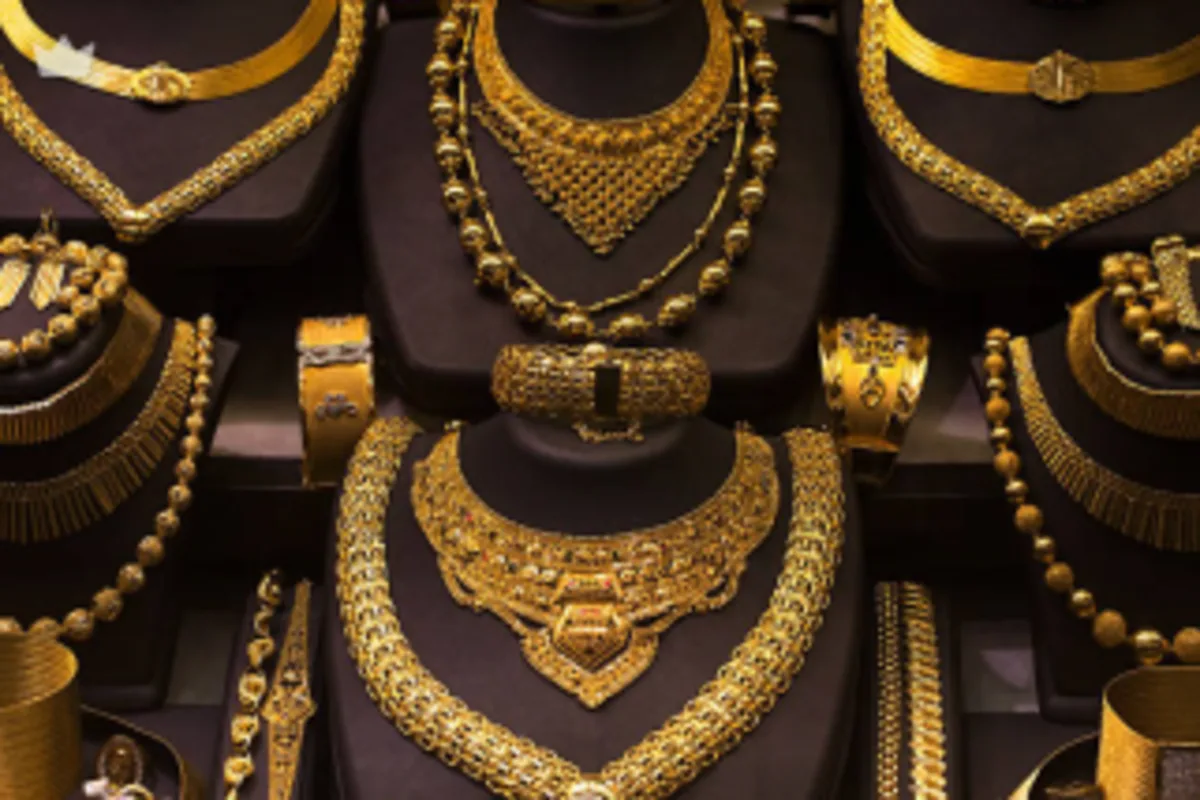
While wedding bands from Dubai are celebrated for their purity, necklaces display the absolute pinnacle of the region's craftsmanship, transforming precious metal into wearable art. In Middle Eastern and South Asian cultures, a gold necklace is not merely an accessory; it is a major family heirloom, a traditional dowry piece, and a portable asset.Because of this, the necklaces found in the Deira Gold Souk range from delicate, modern chains to massive, chest-covering bridal sets.
Why They Are Special
1) Scale, Weight, and Bridal Statement Pieces
While Western jewelry often focuses on delicate, thin chains, the Dubai gold markets are world-renowned for heavy, ornate, and statement-making necklaces.
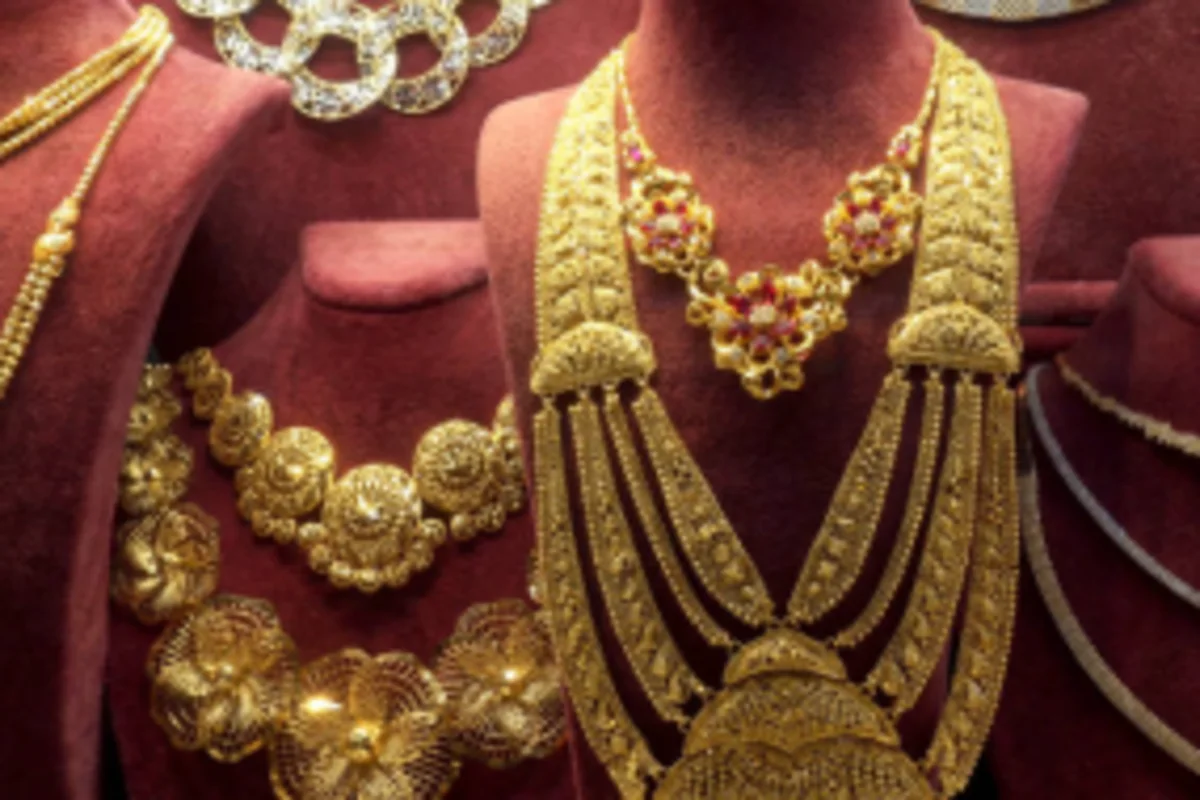
- Cultural Masterpieces: The markets specialize in traditional bridal necklaces, such as multi-tiered South Asian Rani Haars (long royal necklaces) and elaborate Middle Eastern chokers. These pieces are designed to drape beautifully across the collarbone or chest, serving as a central symbol of heritage and familial wealth.
- Pure Gold Weight: Because gold is traded primarily by weight here, artisans do not shy away from using substantial amounts of 21K and 22K gold. You will find necklaces ranging from feather-light everyday chains to stunning, solid gold collars weighing several hundred grams.
2) Exquisite Goldsmithing Techniques
The sheer density of master jewelers in Dubai has led to a breathtaking display of complex, traditional fabrication techniques that are difficult to find under one roof anywhere else.
- Filigree and Granulation: Many 21K and 22K necklaces feature incredibly intricate filigree work—where fine gold wires are twisted and soldered into lace-like patterns—complemented by granulation (tiny gold spheres fused to the surface).
- Laser-Cut Precision: Alongside hand-carved heritage pieces, modern Dubai workshops utilize advanced laser technology to create highly precise, geometric, and ultra-flexible mesh necklaces that mimic the texture of fabric or silk.
- Champlevé and Enameling: Many traditional necklaces feature Meenakari (vibrant enamel work) fused onto the high-karat gold, creating striking contrasts of royal blues, deep greens, and ruby reds against the rich yellow gold.
3) Unrivaled Sourcing of Globally Diverse Styles
Dubai is the crossroads of the global gold trade, meaning its markets do not feature just one regional aesthetic. A single row of shops can display:
- Traditional Arabic Designs: Featuring geometric motifs, calligraphy, and dangling gold coins or leaf pendants.
- Indian and Pakistani Styles: Known for antique finishes, temple jewelry aesthetics, and massive statement chokers.
- Italian and Turkish Imports: Celebrated for sleek, lightweight, hollow-link chains and highly polished, modern 18K gold chokers.
4) Structural Customization and "Grams-Plus" Pricing
Buying a necklace in Dubai is a deeply personal, transparent financial transaction:
- Extensible and Modular Design: Many necklaces in the souk are designed with adjustable back-chains (dolas) or modular components. Jewelers can often add or remove links, change a pendant, or adjust the drape of a heavy necklace right in front of you while you wait.
- Haggling on Craftsmanship: Just like rings, necklaces are priced by their exact weight multiplied by the live international gold rate, plus a making charge. Because necklaces require significantly more labor than plain bands, the making charges comprise a larger portion of the initial price. This gives you massive leverage to negotiate the artisan's fee, especially on heavy, high-value statement necklaces.
Styles and Cultural Artistry
The diversity of necklace designs in Dubai is unmatched, as artisans cater to a global clientele:
- Bridal Chokers & Rani Haars: These are substantial, regal necklaces. Chokers sit tightly against the neck with heavy filigree, while Rani Haars (Queen Necklaces) are long, sweeping layers that drape down to the waist. They are predominantly crafted in 22K gold for its rich, traditional yellow hue and are often adorned with intricate floral and paisley motifs.
- Lazer-Cut & Multi-Tone Italian Chains: For those seeking modern elegance, Dubai is a hub for imported and locally replicated Italian designs. These necklaces use advanced laser-cutting tech to make 18K white, yellow, and rose gold catch the light like diamonds. They are incredibly popular for daily wear.
- Calligraphy & Name Pendants: A signature local specialty involves crafting bespoke nameplates or protective lockets (like the Ayatul Kursi or Hamsa) in beautiful Arabic calligraphy. Artisans can hand-sketch a design and pierce it out of a sheet of solid gold in just a few hours.
Weight, Purity, and Practical Value
When buying a necklace in Dubai, weight is everything. While a ring might weigh a few grams, Dubai-crafted necklaces routinely weigh anywhere from 20 grams to upwards of a kilogram for bridal wear.
- The "Board" Price: Because necklaces use so much raw material, your price is overwhelmingly dictated by the international gold rate displayed on electronic boards throughout the market.
- The Making Charge Advantage: Because the total weight of a necklace is so high, jewellers have more financial flexibility. When bargaining at reputable establishments like Malabar Gold & Diamonds or Joyalukkas, you can negotiate the "making charge per gram" down significantly, making large necklaces much cheaper to buy here than anywhere else in the world.
Master Craftsmanship Techniques
The sheer scale of some Dubai necklaces requires mastery over distinct goldsmithing disciplines.
Filigree (Tarkashi)
The delicate twisting of extremely thin gold wires into lace-like patterns. This technique allows master jewellers to create massive, statement-making necklaces that look incredibly heavy but remain structurally light and comfortable to wear.
Meenakari (Enameling)
Many traditional necklaces feature bright bursts of royal blue, deep green, and crimson red. This is achieved by fusing colored glass powder onto the gold surface, a stunning technique highly favored in Mughal-inspired jewelry.
Kundan and Polki Settings
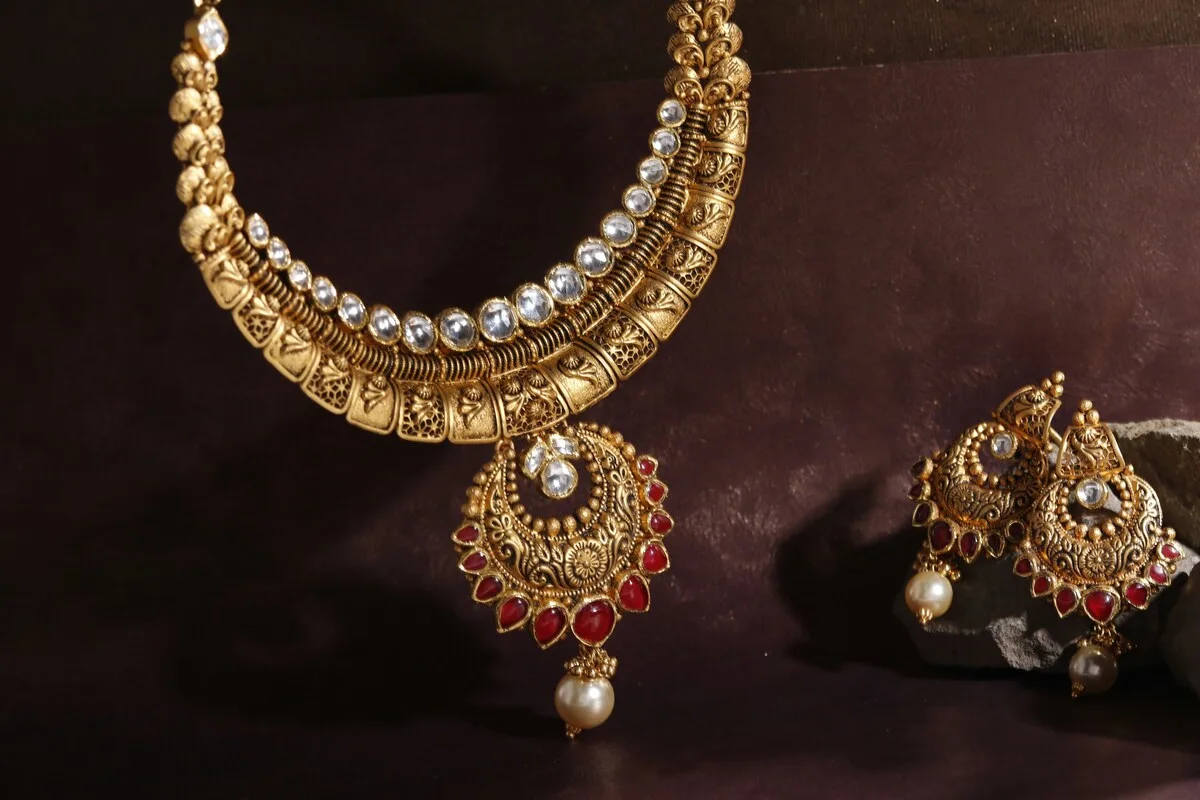
Often featured in heavy necklaces, Polki uses unfaceted, raw diamonds in their natural form, while Kundan uses highly refined, pure gold foils to set these stones securely.
Visual Journey